Whatever Life Throws at You Funny Sarcas
A First Look at the Design
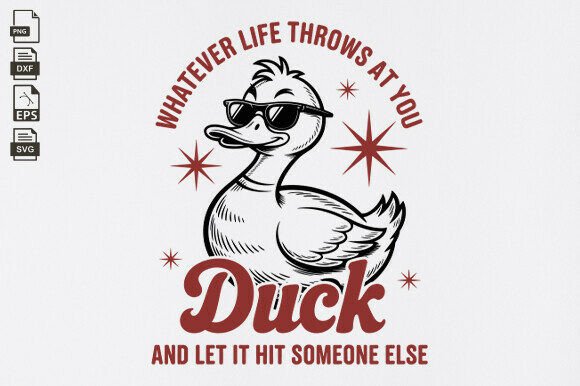
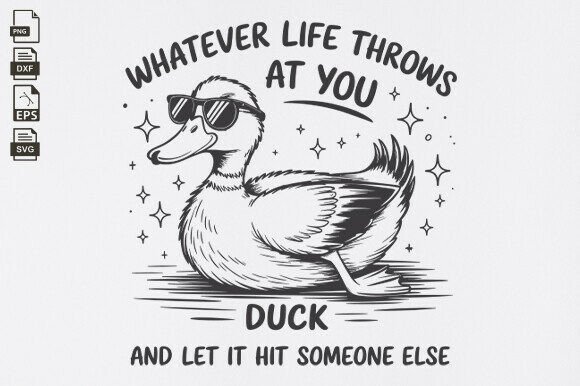
When I first opened Whatever Life Throws at You Funny Sarcas, I was immediately struck by its bold personality. The design carries a strong sarcastic and humorous tone that feels perfectly suited for those who want to add a touch of wit to their handmade projects. The duck illustration is stylized yet recognizable, with a playful expression that seems to wink at the viewer. It’s not overly detailed, which makes it feel more like a graphic than a hyper-realistic embroidery piece.
The layout is clean, with the main focus on the duck and a short phrase that reinforces the theme. This simplicity makes it versatile, but I can see how it might need some tweaking depending on the fabric or garment it's applied to. The visual personality of this design screams "funny" and "sassy," so it would work well in projects that aim to be lighthearted or even a bit cheeky.
Real-Life Embroidery Scenarios
Let’s imagine using Whatever Life Throws at You Funny Sarcas on a custom embroidered tote bag. As someone who often creates personalized gifts, I can picture this design being a hit with customers who enjoy a good laugh. The duck is large enough to stand out without overwhelming the fabric, and the message is clear and readable from a distance.
I’d also consider this design for sweatshirts or t-shirts, especially for younger audiences or those looking for a quirky statement piece. For baby items, however, I'd be cautious. While the humor is light, the subject matter may not resonate with all parents. Still, it could be a fun addition to a themed nursery or a gift for a friend with a great sense of humor.
Patches are another area where this design shines. The duck has enough detail to look good as an applique, and the text complements it nicely. If you're making patches for a craft fair or Etsy shop, this could be a standout item that draws attention and sparks conversation.
Where to Use with Caution
While Whatever Life Throws at You Funny Sarcas looks great on larger surfaces, I'd be careful when using it on small hoop sizes or thin fabrics. The duck’s features might get lost if the design is scaled down too much, and the text could become hard to read. Similarly, on stretchy or textured fabrics, the stitching might not lay flat, which could affect the overall look and durability of the finished product.
If you're planning to use this design on dark-colored fabrics, I recommend testing it with a contrasting thread color first. The current design uses a limited color palette, and while that’s fine for most applications, it might not pop as well on darker backgrounds. Also, if you’re aiming for a professional finish, make sure to use proper stabilizer and check stitch density—especially around the edges and in areas with dense fill stitches.
Design Impact and Practical Considerations
From a designer’s perspective, Whatever Life Throws at You Funny Sarcas adds a unique flavor to any project. It elevates the visual appeal of handmade products and can increase customer engagement, especially if used in a context that aligns with the humor of the design. For Etsy sellers or small shop owners, this design could be a valuable asset to their collection, offering both charm and marketability.
However, it's important to remember that this design isn’t suitable for every application. It doesn't work well on curved surfaces like caps or hats, nor does it translate effectively to tiny lettering or decorative accents. Always test it on scrap fabric before committing to a final product, and don’t forget to review the stitch density and thread colors for optimal results.
For commercial embroidery projects, ensure that the licensing allows for resale or redistribution of finished products. If you're planning to sell this design digitally or as part of a downloadable package, double-check the terms provided by the seller to avoid any legal issues later on.
Embroidery Designer Notes
Before using Whatever Life Throws at You Funny Sarcas in your next project, take a few moments to test it. Check how it looks on different fabric types and in various lighting conditions. Review the stitch density and adjust it if needed to prevent puckering or distortion. Confirm the hoop size required and always use the right stabilizer to keep your design looking sharp and professional.
Also, consider whether the design works for both personal and commercial use. If you're selling finished products or digital embroidery files, make sure you have the proper rights to do so. Finally, think about the audience you're targeting—this design is perfect for those who appreciate humor and sarcasm, but it might not be the best fit for every customer or brand image.